

QSR Fit-Outs: Creating Functional, On-Brand Spaces Built for Business
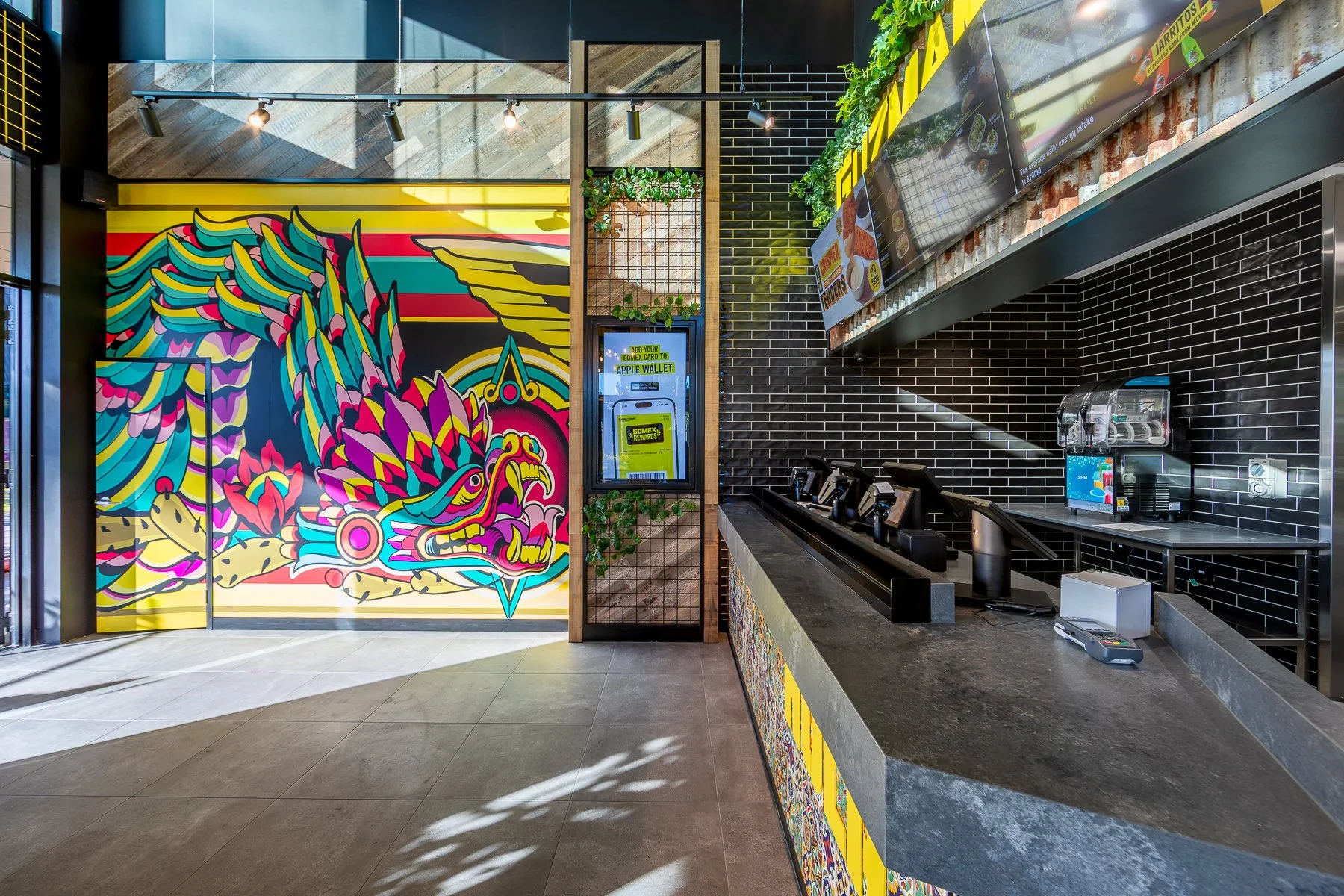
A successful quick-service restaurant fit-out needs to do more than look good. It needs to support customer flow, staff operations, brand identity and the demands of a busy commercial environment.
For QSR operators, developers and franchisees, the fit-out is where the vision for a restaurant becomes a functioning space.
From customer-facing areas and seating to kitchens, service counters and back-of-house spaces, every element needs to work together. The right fit-out can create an environment that is visually engaging while helping the business operate efficiently from day one.
What Makes a QSR Fit-Out Different?
Quick-service restaurants have their own set of requirements.
Unlike a conventional commercial interior, a QSR needs to accommodate a constant movement of customers and staff while making the most of every square metre.
A successful QSR fit-out considers:
Customer flow: Making it easy for customers to enter, order, collect and move through the space.
Kitchen and back-of-house functionality: Creating practical areas that support staff and daily operations.
Durability: Selecting finishes that can handle high levels of daily use.
Brand identity: Incorporating colours, materials, lighting and features that make the restaurant recognisable.
Efficient delivery: Coordinating the fit-out so the project stays on programme and the business can open as planned.
It's the combination of these details that turns an empty commercial space into a restaurant ready for service.
GYG Curtin University: Bringing a QSR Fit-Out to Life
Breffni's recent Guzman y Gomez Curtin University project is an example of how these elements come together.
Located within a busy university environment, the restaurant needed to provide a practical experience for customers while supporting the operational requirements of a fast-moving QSR.
The completed space combines functional areas with distinctive design elements, creating an environment that feels unmistakably GYG while remaining practical for everyday use.
Designing Around Customer Flow
In a QSR, customer movement is an important part of the design.
The layout needs to make the ordering and collection process intuitive while avoiding unnecessary congestion, particularly during busy periods.
At GYG Curtin University, the fit-out incorporates clearly defined customer areas alongside seating and service spaces.
The result is a restaurant designed not simply around how it looks, but around how people actually use it.
Creating a Functional Back of House
What customers see is only part of a successful QSR.
Behind the scenes, staff need a space that supports food preparation, service and the daily demands of a busy restaurant.
Kitchen and back-of-house areas therefore need to be considered alongside the customer-facing environment rather than as separate elements.
A well-coordinated fit-out brings these areas together so the restaurant can function efficiently from front to back.
Durability Without Losing Design
QSR environments experience significant daily use, making durable finishes an important consideration.
Floors, walls, counters, seating areas and other high-contact surfaces need to withstand regular customer and staff traffic while maintaining the appearance of the restaurant.
For a branded QSR, this balance is particularly important. Materials and finishes need to be practical, but they also contribute to the overall customer experience.
At GYG Curtin University, timber-look finishes, feature lighting, greenery, patterned surfaces and strong brand elements create a distinctive environment while contributing to the functionality of the space.
Making the Brand Part of the Fit-Out
A QSR fit-out is also an opportunity to bring the brand into the physical environment.
The right combination of materials, lighting, colours, signage and feature elements can make a restaurant feel instantly recognisable.
At GYG Curtin University, the fit-out incorporates the brand's distinctive visual identity throughout the customer environment.
The result is more than a functional restaurant. It becomes a space that feels connected to the GYG experience.
Why Programme Matters
For a QSR operator, an unfinished restaurant means a business that cannot yet open its doors.
That makes programme and coordination particularly important during the fit-out process.
Multiple trades, suppliers, consultants and stakeholders need to work together, with each stage completed at the right time.
Keeping the project moving helps minimise delays and allows the finished space to transition from construction to operation efficiently.
From Empty Space to Opening Day
A QSR fit-out involves hundreds of individual decisions and details, but the objective is straightforward:
Create a space that works for the business, works for its customers and is ready for opening day.
The GYG Curtin University project demonstrates how practical planning, durable finishes, brand-focused detailing and coordinated delivery can come together to create a high-impact QSR environment.
For developers and operators, the fit-out is ultimately about more than the finished appearance. It's about creating a space that can support the business every day.
Planning Your Next QSR Fit-Out?
Whether you're developing a new quick-service restaurant or transforming an existing commercial space, the right fit-out approach can make a significant difference to the finished result.
Talk to Breffni about your next commercial project.
Visit Breffni Group Australia to learn more and get in touch with the team.
