

Residential Construction in Western Australia: Building Integrated Communities for the Future
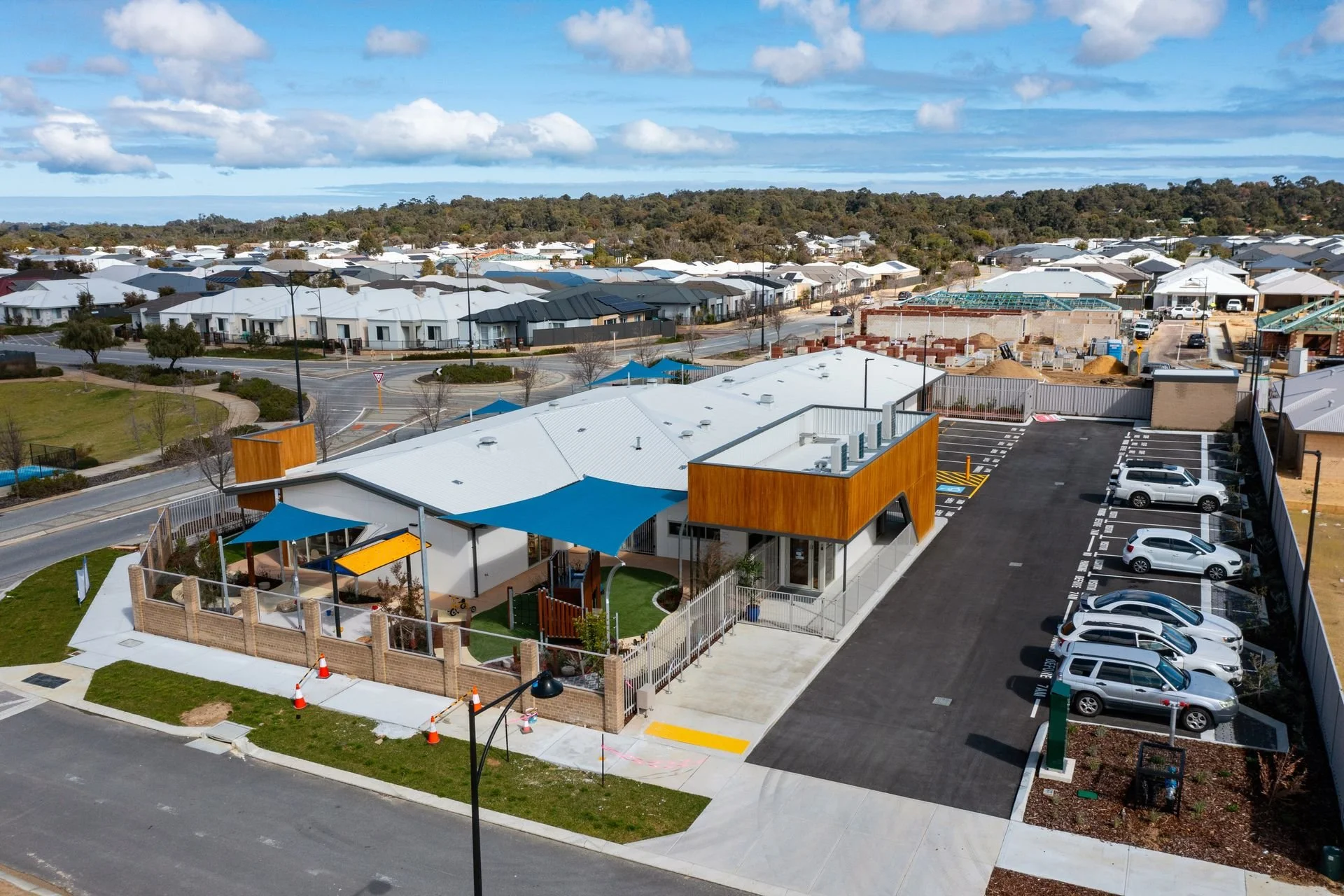
Western Australia continues to experience steady growth across metropolitan and regional centres, increasing demand for well planned residential communities that go beyond housing alone. Today’s developments are not simply subdivisions. They are integrated neighbourhoods that include childcare centres, retail stores, quick service restaurants, and healthcare facilities.
For developers navigating the building industry Western Australia operates within, access to reliable commercial construction insights WA is essential. The success of any residential estate depends on strategic construction planning and delivery, disciplined project management, and a clear understanding of market trends across both residential and commercial sectors.
The Evolving Residential Landscape in WA
The construction industry Perth is known for is influenced by population growth, infrastructure investment, and lifestyle shifts. Buyers are increasingly seeking convenience, walkability, and access to essential services within their own neighbourhoods.
As a result, modern residential estates often include:
Early learning and childcare centres
Neighbourhood retail stores
Quick service restaurants and cafes
Medical and allied health clinics
Community facilities and green spaces
This mixed use approach aligns with broader commercial construction trends WA, where integration, accessibility, and sustainability are prioritised.
Developers who incorporate essential services within residential projects create stronger long term value and improve community appeal.
Strategic Construction Planning and Delivery for Mixed Use Estates
Effective construction planning and delivery is critical when residential and commercial elements are delivered simultaneously or in staged phases.
A thorough feasibility process should consider:
Site zoning and permissible uses
Traffic and access requirements for retail and childcare
Acoustic separation between residential and commercial zones
Utility capacity for healthcare and food service operations
Environmental and sustainability compliance
Lessons from leading design build articles Australia highlight the importance of early contractor involvement. When builders are engaged during the design stage, potential clashes between residential lots and commercial facilities can be resolved before construction begins.
For integrated estates, coordination between civil works and vertical construction is especially important. Roads, drainage, and service infrastructure must accommodate both homes and commercial tenants.
Constructing Childcare Centres Within Residential Communities
Childcare centres are increasingly positioned at the heart of residential developments. Families value proximity to early learning facilities, and developers benefit from consistent tenant demand.
Constructing childcare centres requires specialist knowledge, including:
Compliance with state regulatory standards
Outdoor play space requirements
Safety and access controls
Acoustic treatment
Kitchen and food preparation compliance
From a project management construction blog perspective, childcare facilities demand careful staging to ensure operational readiness aligns with residential occupancy levels.
An experienced builder understands that early delivery of a childcare centre can enhance estate marketability and drive lot sales.
Retail Stores and Quick Service Restaurants
Neighbourhood retail and quick service restaurants play a key role in activating residential areas. These facilities provide convenience while creating local employment opportunities.
Construction considerations include:
High visibility positioning
Parking and drive through access where required
Grease traps and mechanical ventilation systems
Waste management planning
Compliance with food and safety regulations
Commercial construction trends WA show increasing demand for smaller format retail hubs integrated within housing estates rather than large standalone shopping centres.
By applying commercial construction insights WA, developers can ensure retail and food premises are designed for flexibility, allowing future tenant changes without major structural alterations.
Healthcare and Medical Centres
Access to healthcare is another essential component of integrated communities. Medical centres, allied health clinics, and specialist consulting rooms are frequently incorporated into residential masterplans.
Healthcare construction within the construction industry Perth market requires:
Compliance with health facility guidelines
Accessibility standards
Infection control considerations
Specialist mechanical and electrical systems
Privacy and acoustic design
Early coordination between designers, engineers, and builders reduces compliance risks and ensures smooth approvals.
Drawing from design build articles Australia, collaborative procurement models are particularly effective in healthcare builds where technical coordination is critical.
Project Management Across Residential and Commercial Assets
Delivering mixed use residential estates requires disciplined governance. A structured project management construction blog would emphasise the importance of:
Defined staging strategies
Cost control mechanisms
Risk management frameworks
Clear consultant coordination
Transparent stakeholder reporting
The building industry Western Australia faces labour pressures and supply chain variability. For developments incorporating homes, childcare, retail, and healthcare, procurement sequencing must be carefully managed.
Commercial construction insights WA consistently highlight the value of early procurement of long lead items and strong subcontractor relationships to maintain program certainty.
Sustainability and Community Focus
Sustainability is now central to both residential and commercial construction planning and delivery.
Key considerations include:
Energy efficient building systems
Water sensitive urban design
Durable materials suitable for high traffic commercial areas
Landscaping that supports community wellbeing
Within the construction industry Perth market, developers are increasingly prioritising estates that promote walkability. Locating childcare centres, retail stores, quick service restaurants, and healthcare facilities within walking distance reduces reliance on vehicles and supports environmental objectives.
These integrated planning strategies reflect evolving commercial construction trends WA and enhance long term asset performance.
Managing Risk in Integrated Developments
Mixed use estates carry additional risk due to the diversity of building types and compliance requirements.
Risk mitigation strategies include:
Early design coordination workshops
Clear contract structures
Market responsive staging
Strong cost forecasting
Contingency allowances for regulatory changes
By applying insights from the broader building industry Western Australia sector, developers can protect returns while maintaining quality and program timelines.
Creating Self Sustaining Residential Communities
The future of residential construction in Western Australia lies in the creation of self sustaining neighbourhoods.
When homes are supported by:
Quality childcare centres
Accessible healthcare services
Local retail stores
Convenient quick service restaurants
Communities thrive. Property values strengthen, and long term demand remains stable.
By combining disciplined construction planning and delivery with integrated commercial capability, Breffni supports developers in delivering residential estates that meet modern expectations. Drawing on commercial construction insights WA and staying aligned with commercial construction trends WA, Breffni contributes to projects across the construction industry Perth and broader building industry Western Australia landscape.
The result is more than housing. It is the creation of complete, functional communities built for sustainable growth and long term success.
